
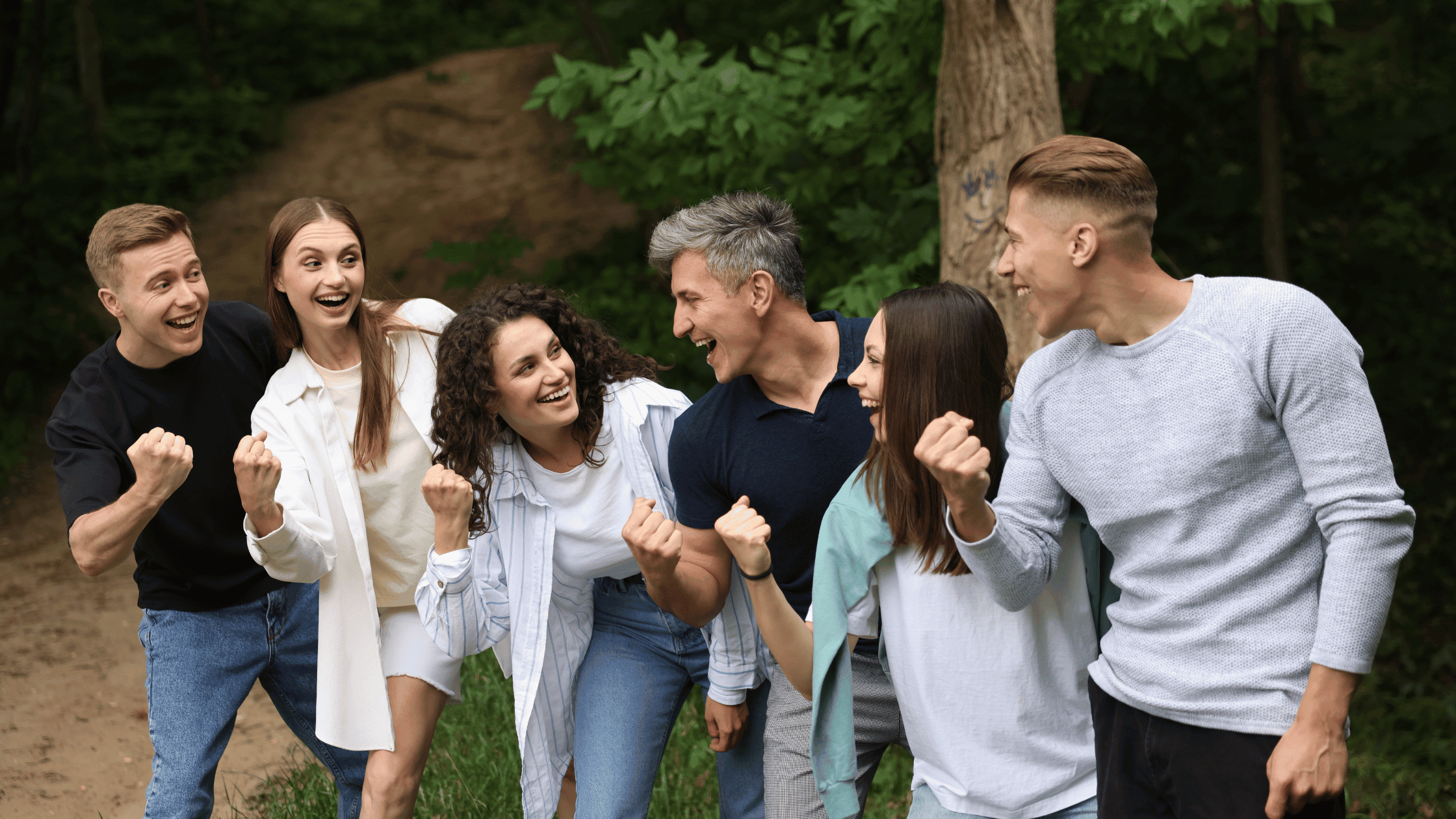
Team building is entering a more considered phase. Across Australia, organisations are becoming far more deliberate about how, why, and where they invest in bringing people together. As employee experience trends continue to evolve, businesses are seeking formats that extend beyond simply filling a calendar. They want connection, relevance, and outcomes that align with modern values, particularly as teams operate across a mix of locations and working styles.
The key team building trends shaping 2026 reflect this shift, moving away from novelty-led activities and toward experiences grounded in purpose, flexibility, and meaningful contribution.
Purpose-Led Experiences Take Priority
One of the strongest trends is the rise of impact-driven team building. Businesses are increasingly choosing experiences that align teams around a shared purpose while delivering something tangible beyond the organisation itself. Corporate social responsibility initiatives now play a central role, allowing teams to work together on hands-on projects such as care packs, hampers, or engagement kits that directly support community organisations.
This approach addresses a common gap in traditional team building. Many activities are enjoyable, but lack a clear objective or sense of relevance once the day is over. Purpose-led formats change that dynamic. When teams understand who they are helping and why their contribution matters, engagement deepens naturally. The experience feels worthwhile, not just entertaining, and the impact is easier to connect back to everyday work.
Learning through action is central to this approach. Solving real problems with practical outcomes strengthens communication, collaboration, and problem solving skills in a way that feels authentic rather than staged.
Creative Problem Solving With Real Outcomes
Alongside purpose, creative problem solving continues to shape how team building is designed. Modern programs focus on challenges that mirror workplace realities, requiring planning, adaptability, and teamwork, often under time pressure or with limited resources.
Healthy competition still has a place, but it works best when framed around shared goals. Clear objectives, structured challenges, and light incentives keep energy high while reinforcing collaboration. These experiences encourage teams to test ideas, communicate clearly, and work toward outcomes that feel meaningful rather than abstract.
The result is team building that supports both engagement and capability development, without losing the sense of enjoyment people expect.
Virtual And Hybrid Becoming Standard
Virtual team events remain an important part of the landscape, particularly for maintaining connection and breaking routine for dispersed teams. The difference is in how they are delivered. Effective virtual experiences no longer try to replicate in-person events. They are designed specifically for online participation.
Smaller group activities are becoming more common, giving participants the chance to take on multiple roles and stay actively involved. Well-designed virtual team events help reinforce enjoyment and bonding, rather than feeling like another video call.
At the same time, hybrid formats are now an expectation rather than a fallback. Events must support both in-person and virtual participants without losing momentum or engagement. Technology plays a supporting role here, using tools such as apps, scoring systems, and real-time communication to keep everyone aligned while maintaining a human focus.
Experience Over Passive Entertainment
Another clear trend shaping 2026 is the preference for experience over passive entertainment. Teams want to be involved, challenged, and proud of what they achieve together. Activities that require participation, collaboration, and reflection consistently deliver stronger outcomes.
By prioritising experiences over spectacles, organisations create space for genuine interaction, practical learning, and shared achievement. This supports stronger relationships, leadership development, and a more positive employee experience overall.
Where Team Building With Purpose Fits
Across the industry, team building is increasingly measured by outcomes, not just participation. Organisations want experiences that reflect their values, strengthen connections, and create impact beyond the team itself. Purpose-led formats answer this shift by combining collaboration with contribution, giving people a shared reason to engage.
This approach underpins how we design our programs at Team Building With Purpose. Each experience is created alongside charity partners and blends hands-on challenges with meaningful outcomes, delivered through in-person, virtual, or hybrid formats. Teams leave connected, aligned, and confident their time together contributed to something greater.