
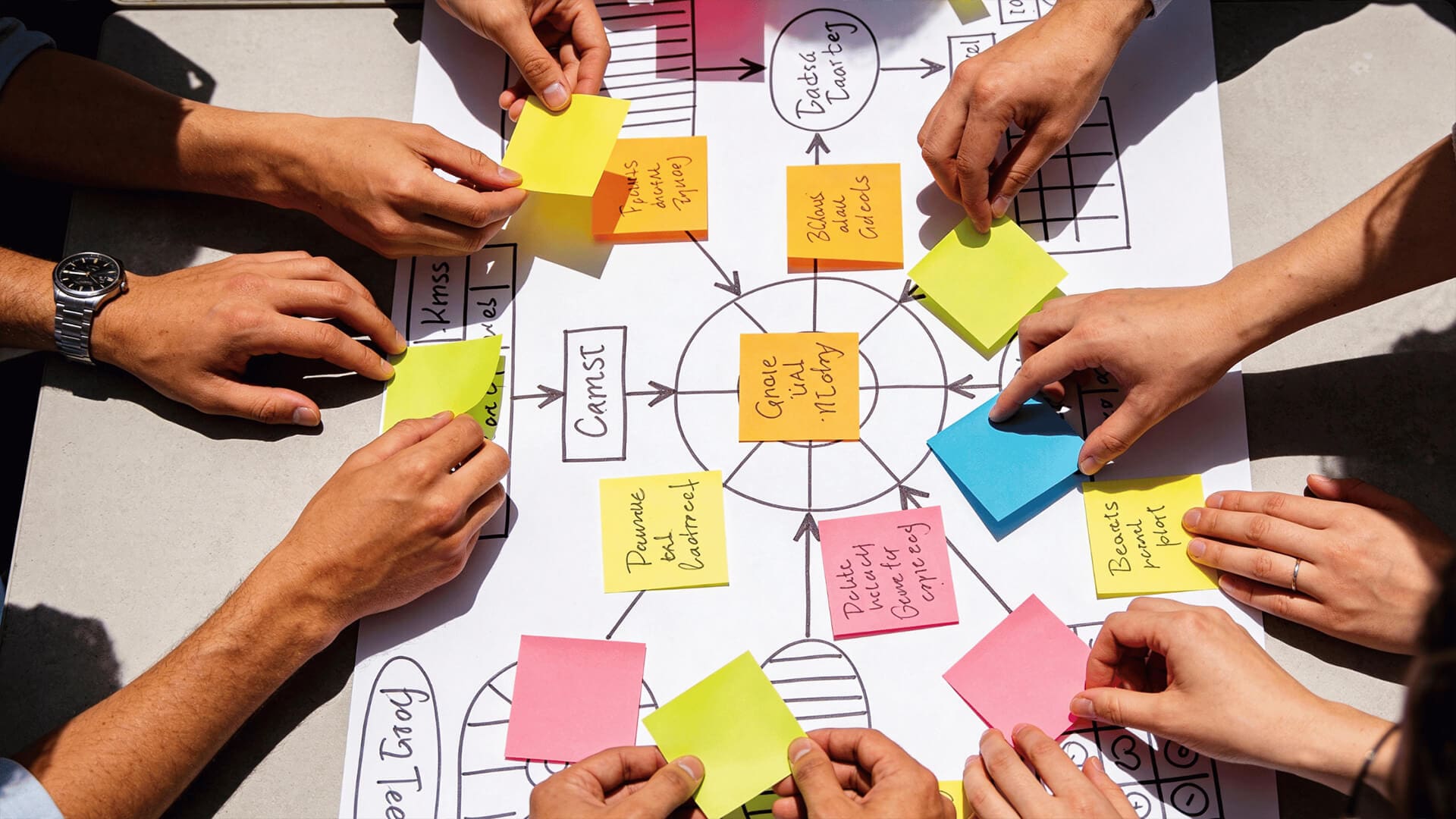
Company culture is shaped by what teams experience together over time. When people regularly collaborate in meaningful ways, trust grows, communication improves, and shared values become part of everyday work. Team building plays a vital role in this process when it is designed with intention and purpose rather than treated as a one-off activity that sits outside normal work rhythms.
Culture Grows Through Shared Experiences
Effective team building focuses on alignment. When people work as one unit toward a common goal, they begin to operate with a shared mindset. This builds mutual respect and reinforces behaviours that support collaboration, accountability, and trust. Purpose-led activities encourage teams to move beyond individual priorities and focus on collective outcomes, which strengthens culture at its foundation.
These shared experiences influence how people interact long after the activity ends. Teams become more comfortable communicating openly, supporting one another, and navigating challenges together, all of which shape workplace culture in practical, visible ways.
Strong Connections Improving Performance
Teams that feel connected tend to work more effectively together. Trust reduces friction, allowing ideas to flow more freely and decisions to be made with confidence. When communication improves, teams are better equipped to adapt, problem-solve, and respond to change without unnecessary delays.
Stronger connections also support engagement. People who feel included and valued are more invested in their work and in the success of the team as a whole. This improves collaboration across departments, supports smoother workflows, and lifts the overall quality of outcomes. These benefits are just as relevant for remote and hybrid teams, where intentional connection plays a critical role in maintaining alignment.
Purpose As A Foundation For Team Bonding
Team bonding becomes more impactful when it is anchored in purpose. Activities that connect teams to a shared cause create a sense of ownership and pride that extends beyond the workplace. Working together toward a meaningful outcome strengthens relationships and encourages empathy, while giving people a reason to engage more deeply with one another.
Purpose-led team building also creates space for different strengths to emerge. Hierarchies soften, communication becomes more natural, and teams often discover new ways of working together that carry back into everyday operations.
Why Consistency Shapes Culture Over Time
A strong workplace culture is built through repetition, not isolated moments. Recurring team building, whether delivered several times a year or integrated into broader development efforts, reinforces shared values and keeps teams aligned over time. Consistency ensures that cultural priorities do not fade once day-to-day pressures return.
Regular team experiences help turn cultural intentions into habits. They support learning, connection, and trust, all of which contribute to stronger engagement and retention. When team building is intentional and ongoing, it becomes part of how culture is maintained rather than something that needs to be reset.
Strengthening Culture Through Intentional Team Building
Workplace culture reflects the choices organisations make about how their people work together. When team building is values-led, purposeful, and recurring, it strengthens trust, improves engagement, and supports collaboration across the business.
At Team Building With Purpose, our programs are designed to create meaningful team experiences that strengthen culture while contributing to the wider community, helping teams build trust, connection, and shared ownership.
Build a stronger company culture through purposeful team building that aligns people around shared values and meaningful outcomes.